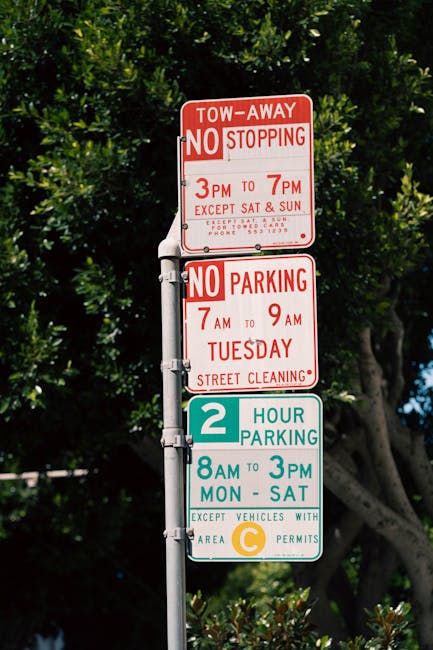
NW1 Removals Hacks for Narrow Streets and Bays
Moving in NW1 is rarely a straightforward drive up to the door, load the van, and leave. Between tight residential streets, busy bays, resident permit zones, parked cars, and the occasional turning circle that feels designed by someone who disliked vans, a move here needs planning. That is exactly where NW1 Removals Hacks for Narrow Streets and Bays come in.
This guide breaks down the practical fixes that make a real difference: how to judge access properly, how to choose the right vehicle, how to use loading bays without wasting time, and how to avoid the mistakes that turn a local move into a long day. If you are planning a home move, a flat move, or a small office relocation in Camden or nearby streets, the details here will help you stay calm, organised, and a lot less likely to discover a parking ticket waiting for you.
For readers who want hands-on help with the moving side itself, services such as home moves in Camden, man and van support, or a more structured house removal service can be a sensible next step. The key is matching the method to the street, not forcing a one-size-fits-all approach.
Table of Contents
- Why NW1 Removals Hacks for Narrow Streets and Bays Matters
- How NW1 Removals Hacks for Narrow Streets and Bays Works
- Key Benefits and Practical Advantages
- Who This Is For and When It Makes Sense
- Step-by-Step Guidance
- Expert Tips for Better Results
- Common Mistakes to Avoid
- Tools, Resources and Recommendations
- Law, Compliance, Standards, or Best Practice
- Options, Methods, or Comparison Table
- Case Study or Real-World Example
- Practical Checklist
- Conclusion
- Frequently Asked Questions
Why NW1 Removals Hacks for Narrow Streets and Bays Matters
NW1 has a lot of the ingredients that make removals awkward: compact side streets, traffic that can build quickly, limited stopping space, and bays that may be shared, time-restricted, or already half-used by nearby residents and businesses. A small delay at the kerb can ripple through the whole move. Ten minutes searching for a legal stop can become thirty. Thirty can become an hour. By then, your team is carrying items further than planned, neighbours are frustrated, and the schedule is slipping.
That is why the right hacks are not gimmicks. They are small, practical adjustments that reduce friction. In removals, friction is the enemy. The less time the vehicle spends circling, reversing, or blocking the road, the smoother the job tends to run.
These methods matter for several reasons:
- Access is often the limiting factor, not the lifting itself.
- Parking and loading permissions can shape the entire move plan.
- Narrow roads increase risk to furniture, doors, mirrors, and walls.
- Bay management can save a surprising amount of time when handled well.
- Neighbour relations are easier to maintain when the move looks organised rather than chaotic.
For commercial clients, the issue can be even sharper. A business move that blocks a narrow street for too long can disrupt staff, customers, and deliveries. In that setting, a coordinated approach with commercial moves support or office relocation services is often more efficient than trying to improvise on the day.
Key takeaway: In NW1, the best removal hack is usually not speed alone; it is access planning. A vehicle that can stop legally, load efficiently, and leave without backtracking will usually beat a bigger van with poor access every time.
How NW1 Removals Hacks for Narrow Streets and Bays Works
The basic idea is simple: you design the move around the street, not the other way around. That means looking at the route, the kerb space, the bay rules, the walking distance from vehicle to door, and the size of the items before the van ever arrives.
Here is how the process usually works in practice.
1. Assess the street in real terms
A map tells you where the street is. It does not tell you whether two cars are already half-parked opposite each other or whether the turning point is too tight for a long wheelbase vehicle. A quick site visit, photo review, or even a video walkthrough can reveal what a printed postcode never will.
2. Match vehicle size to access
One of the most common mistakes is assuming a larger vehicle is automatically better. In narrow NW1 streets, a more compact vehicle can often move closer to the entrance, reduce reversing, and save time overall. If the access is awkward, options like a man with van service or a smaller moving truck can be more practical than a bigger rigid vehicle that cannot position properly.
3. Use the bay strategically
Loading bays are helpful, but only if you treat them like a timed workspace. The move should be staged so that the most awkward items come first, not last. If the bay window is short, you want a clear sequence: stop, unload, carry, clear. The temptation to make multiple small trips with no plan usually costs more time than it saves.
4. Reduce touchpoints
Every extra time an item is lifted, turned, put down, or rechecked increases the chance of damage or delay. In tight streets, smart packing and clear labelling matter more than people expect. The same is true for any move that depends on carrying items down stairs, around parked cars, or through a shared entrance.
That is where packing and unpacking services can make a real difference. Good packing is not just about boxes; it is about making each box easy to move, stack, and place quickly once you reach the bay or door.
5. Build in a backup
In NW1, a plan without a fallback is wishful thinking. Bay blocked? Use an alternate stop point. Street too tight for the planned vehicle? Switch to a smaller van. Lift out of action? Adjust the carry sequence and protect the most fragile items first. Flexibility is not a luxury here; it is the job.
Key Benefits and Practical Advantages
When these hacks are applied properly, the benefits show up quickly. You spend less time waiting, fewer items get bumped, and the move tends to feel more under control. That matters whether you are moving a studio flat, a family home, or a few workstations from one office to another.
- Faster turnaround: Less circling and less manual repositioning.
- Lower damage risk: Shorter carry distances usually mean fewer knocks and scrapes.
- Better cost control: Time saved on access problems can reduce labour waste.
- Less stress: A plan reduces the feeling that everything is happening at once.
- Cleaner neighbour impact: A tidy, short stop is easier on everyone around you.
There is also a quieter benefit that people often overlook: better decision-making. Once you understand the access, you can decide whether to hire a van, use a removal truck, split the move into phases, or offload a few bulky pieces beforehand. For some households, a small pre-move clearance through furniture pick-up can open up the route and cut the load at the same time.
Who This Is For and When It Makes Sense
This approach makes sense for anyone moving in an area where access is not straightforward, but it is especially useful in the following situations:
- Residents in terrace streets, mansion blocks, or converted flats with limited frontage.
- People moving from streets with resident bays, pay-and-display bays, or controlled loading areas.
- Families with large furniture that cannot be left outside for long.
- Office teams relocating from compact premises with awkward loading arrangements.
- Anyone moving on a tight schedule or during busy parking periods.
If you are moving a home in Camden or nearby, planning ahead with a local team can save a lot of guesswork. Services like house removalists and broader home moves support are particularly useful if the move involves stairs, fragile pieces, or a long carry from the vehicle.
It also makes sense if you are moving out of a property with restricted access but do not want the cost or scale of a huge lorry. Sometimes the smartest choice is not the biggest one. Truth be told, in a narrow NW1 street, oversized can become overpriced very quickly.
Step-by-Step Guidance
Below is a practical way to approach a move in a narrow street or bay area so you reduce surprises and keep the day moving.
Step 1: Check access before booking
Look at the street width, the bay layout, the approach roads, and whether larger vehicles can turn safely. If possible, walk the route from the nearest practical stopping point to the property entrance. A ten-minute check can save a much bigger problem later.
Step 2: Measure the awkward items
Measure sofas, wardrobes, beds, appliances, large desks, and any item that might need to be angled through tight gaps. Do not rely on memory. The sofa that "should fit" is often the one that becomes the day's main argument with the stairwell.
Step 3: Decide on the right vehicle
Choose a vehicle that suits the street, not just the volume of goods. A compact van may be ideal for a congested road, while a larger vehicle may work better if loading is available just outside the entrance. If the move is sizeable but access is restricted, consider removal truck hire or a staged move with multiple trips.
Step 4: Stage the load logically
Place the first-out items near the exit before the vehicle arrives. Keep corridors clear. Label boxes clearly. Put fragile items where they will not be buried under heavier loads. This is one of those small steps that feels boring until it saves you half an hour.
Step 5: Protect the route
Use door protectors, floor coverings, furniture blankets, and straps where needed. Narrow entrances and bay edges can chip corners and scuff paintwork quickly. Protection is cheaper than repair and far less annoying than trying to explain a fresh mark on the wall.
Step 6: Load in the right order
Heavier, sturdier items usually go in first, with fragile and awkward pieces secured safely around them. In a constrained street, the loading order should also reflect what needs to come out first at the destination. If access is tight, the aim is to avoid rehandling items once they are already on the vehicle.
Step 7: Keep the exit clear
When the bay is short or the street is busy, do not let boxes cluster around the vehicle or doorway. A clean exit matters just as much as a clean arrival. It keeps the move efficient and reduces the chance of someone tripping while carrying something heavy.
Expert Tips for Better Results
Some of the best removals hacks are simple, but only if you apply them with discipline. Here are the ones that consistently pay off in narrow NW1 conditions.
- Use a "front-load" mindset: Put the most difficult items on the plan first, not as an afterthought.
- Pre-decide parking alternatives: Identify at least one backup stopping point before the move starts.
- Keep one person focused on access: Someone should always be watching the bay, street flow, and vehicle positioning.
- Avoid overpacking boxes: Heavy boxes become slower to carry and more likely to fail.
- Split the move if needed: A phased move can be smarter than forcing everything through one difficult stop.
- Use smaller items as buffer loads: Soft items and smaller boxes can fill gaps around furniture, improving stability.
One of the quieter strengths of a good local move team is adaptability. A driver who understands how to position a vehicle in a difficult street can sometimes save more time than two extra hands. That is why transport choice and experience matter together. If you need a vehicle that fits the situation more neatly, a man and van option often offers the agility that tight-access moves need.
Another practical point: keep communication short and clear. In a narrow street, people do not need long explanations. They need one clear instruction at the right moment.
Common Mistakes to Avoid
Most removal problems in narrow streets are not dramatic failures. They are small planning gaps that compound. Avoid these and the day usually feels much easier.
Choosing the wrong vehicle size
A large vehicle that cannot stop safely near the property can create more work than it solves. Bigger is not automatically better in NW1.
Assuming the bay will be free
Do not rely on luck. If your move depends on a specific bay, build in a margin and have a backup plan.
Leaving packing until the last minute
Late packing creates loose items, mixed box weights, and unnecessary trips. In a tight street, that is a recipe for delay.
Ignoring stairs and corner turns
Many access issues happen inside the building, not just outside it. A wardrobe may fit the van perfectly and still be impossible through the stairwell without careful handling.
Forgetting to measure the route
Door widths, landing turns, and low ceilings can be the difference between a smooth carry and a standstill.
Not protecting the property
Paint, bannisters, and door frames take the hit when there is no protection in place. A few coverings and blankets are a small price to pay.
Underestimating loading time
Narrow streets often slow loading, even when the job is otherwise straightforward. Planning as though the space were easy is a common reason moves run long.
Tools, Resources and Recommendations
Good tools do not remove the challenge, but they do make a constrained move much more manageable.
- Measuring tape: For doors, furniture, stair turns, and the vehicle space you actually have.
- Furniture blankets and covers: Useful for protecting edges and finishes on tight carries.
- Ratchet straps: Help secure loads so items do not shift in transit.
- Labels and marker pens: Faster unloading starts with clear box identification.
- Floor protection: Helpful for hallways, communal entrances, and landlord-sensitive properties.
- Phone photos or video: Very useful for briefing a removals team before moving day.
If you are still deciding how much help you need, it can be useful to compare a smaller move service with broader transport options. A vehicle-first approach may suit a simple load, while a more comprehensive service can help when the property has stairs, awkward furniture, or limited time on the bay. Reviewing man with van support alongside full-service options such as home moves gives you a clearer sense of what fits your situation.
For businesses, especially those moving equipment and desks, it is worth looking at commercial moves early in the planning process. Office access can be just as awkward as residential access, only with more people trying to work around it.
Law, Compliance, Standards, or Best Practice
When a move involves loading bays, public roads, or controlled parking areas, local rules and practical site conditions matter. The exact requirements vary by location and by council, so it is sensible to check the relevant street restrictions, loading permissions, and timing rules before move day rather than assuming the space is available.
As a best practice, keep the following in mind:
- Check bay restrictions in advance: Loading and waiting rules may differ by time of day and street.
- Do not block access unnecessarily: Keep the vehicle positioned so pedestrians, residents, and emergency access are not obstructed longer than needed.
- Use safe lifting methods: Heavy or awkward items should be moved with enough people and the right equipment.
- Respect shared entrances and communal areas: Noise, mess, and obstruction are common sources of complaints.
- Clarify insurance and liability: Make sure you know who is responsible for what if damage occurs.
If a move uses public parking or bay space, it is wise to confirm the arrangements with the property manager or relevant local authority as early as possible. That is particularly important in busy central London streets, where a small oversight can have a disproportionate impact. For service terms and privacy information, readers can also review the website's terms and conditions and privacy policy.
Safety is not a side issue. Tight access makes rushed lifting and awkward twisting more likely, so a calm, coordinated approach is always the better standard.
Options, Methods, or Comparison Table
Different access situations call for different approaches. The table below gives a practical comparison.
| Method | Best for | Strengths | Limitations |
|---|---|---|---|
| Man and van | Small to medium moves with tight access | Flexible, easier to park, often ideal in narrow streets | May require more trips for larger loads |
| Smaller moving truck | Moderate moves with manageable street access | Better capacity while still practical in some NW1 roads | Needs more careful positioning than a van |
| Removal truck hire | Moves where you already have a team and need transport | Can suit organised, staged relocations | Less forgiving if access is very limited |
| Full removal service | Homes with stairs, fragile items, or complex access | Less stress, more handling support, better for awkward properties | Usually more involved to arrange |
The practical choice depends on your street, your load, and your time window. A compact service can be perfect for a straightforward flat move, while a larger or more supported move may be better if the property has multiple floors, heavy furniture, or little unloading space. There is no prize for choosing the biggest vehicle if it cannot actually get close enough to matter.
Case Study or Real-World Example
Consider a typical NW1 flat move from a second-floor property on a narrow residential street. The client has a sofa, a bed frame, several boxes, a dining table, and a couple of awkward lamps. The street has limited bay space and the nearest legal stop is not directly outside the entrance.
Instead of arriving with a large vehicle and hoping for the best, the move is planned in layers. First, the boxes are packed and labelled so they can be carried quickly. Next, the larger furniture is measured against the stairwell and front door. A smaller vehicle is chosen so it can stop closer to the entrance without causing a problem. The heaviest pieces are loaded first, and the bay window is treated as a timed working slot rather than an open-ended convenience.
What changed?
- The team did not waste time rearranging the vehicle at the kerb.
- The carry distance stayed manageable.
- Fragile items were protected before the route became congested.
- The move finished with fewer pauses and less stress.
The point is not that every move should look exactly like this. The point is that the best result usually comes from treating access as a design issue, not an inconvenience to be dealt with later.
Practical Checklist
Use this checklist before move day to keep the process tight and realistic.
- Confirm the property address and nearest practical stopping point.
- Check bay rules, time limits, and local access restrictions.
- Measure large furniture and key doorways.
- Decide whether a van, truck, or full removal service fits the street.
- Arrange packing materials and label boxes clearly.
- Protect floors, doors, and corners in advance.
- Plan the load order so essentials are easy to reach.
- Identify a backup parking or loading option.
- Notify neighbours or building management if needed.
- Keep mobile contact available for the move team on the day.
If you want a more organised start, it can help to speak with a team that understands local access issues and can tailor the transport and handling approach to the street. You can learn more about the company background on the about us page or make an enquiry through the contact page.
Conclusion
Narrow streets and bays do not have to turn a move into a headache. With the right access plan, the right vehicle size, and a clear loading strategy, even a tricky NW1 address can be handled efficiently. The real hack is not a clever trick at the last minute; it is thoughtful preparation that reduces wasted movement and keeps everyone focused on the job.
If you are moving within Camden or nearby, start by thinking about access first. Then choose the service level that matches the street, the property, and the volume you need to move. That single decision often determines whether the day feels controlled or chaotic.
Get a free quote today and see how much you can save.
Frequently Asked Questions
What is the best removals approach for narrow NW1 streets?
The best approach is usually a compact, well-planned move with a vehicle that can stop legally and close to the property. In many cases, a man and van setup or a smaller moving truck works better than a larger vehicle that cannot access the street properly.
How do I know if my street is too tight for a large removals truck?
Check whether the vehicle can turn safely, stop without blocking traffic, and allow loading near the entrance. If the street already has parked cars on both sides or limited turning space, a smaller vehicle is often the safer choice.
Should I book a van or a full removal service for a flat move?
That depends on the volume, stairs, and access. A van may be enough for a small flat with light furniture, while a full removal service is often more suitable if you have bulky items, fragile belongings, or a difficult stairwell.
How far in advance should I plan loading bay access?
As early as possible. Bay access can affect the whole move, so it is wise to check restrictions and timings before you confirm the booking. In busy areas, leaving this until the last minute can cause avoidable delays.
What should I do if the loading bay is already occupied?
Have a backup stopping point and a flexible loading plan. A good moving team will adapt by adjusting the vehicle position or using a nearby legal stopping area rather than forcing a risky or illegal stop.
Can packing properly really make a difference in a narrow-street move?
Yes. Well-packed boxes are faster to carry, easier to stack, and less likely to fail in transit. Good packing also reduces the number of times items need to be handled, which matters a lot when access is tight.
How can I protect walls and door frames during a tight move?
Use protective covers, blankets, and floor protection on vulnerable routes. This is especially important in stairwells, narrow hallways, and older properties where small knocks can leave visible marks quickly.
Is it worth splitting a move into two trips?
Sometimes, yes. A phased move can be a smart choice when parking is difficult, access is limited, or the property has awkward loading conditions. It can reduce pressure and make the process more controlled.
What items cause the most trouble in narrow-access removals?
Large sofas, wardrobes, mattresses, appliances, and heavy desks tend to create the most issues. They are harder to turn, awkward to carry, and more likely to need careful planning through doors and stairwells.
Do I need to tell neighbours before a move in a tight street?
It is often a good idea, especially if the move may temporarily affect shared access or parking. A quick heads-up can reduce friction and make the day feel more considerate for everyone involved.
Can furniture be collected separately before moving day?
Yes, and sometimes that is the smartest way to simplify the move. If you want to reduce clutter or remove bulky pieces in advance, furniture pick-up can help free up space and make access easier on the day.
How do I choose between commercial and residential moving support?
If you are moving a business, office equipment, or workstations, commercial support is usually the better fit because it is planned around operational continuity and bulkier office items. For homes, residential moving support is generally more suitable.
Where can I get help if my NW1 move has especially difficult access?
Start by discussing the street layout, vehicle size, and property access with a local mover. A practical team can usually recommend the right combination of transport and handling, whether that is a compact van, a fuller service, or a staged approach.