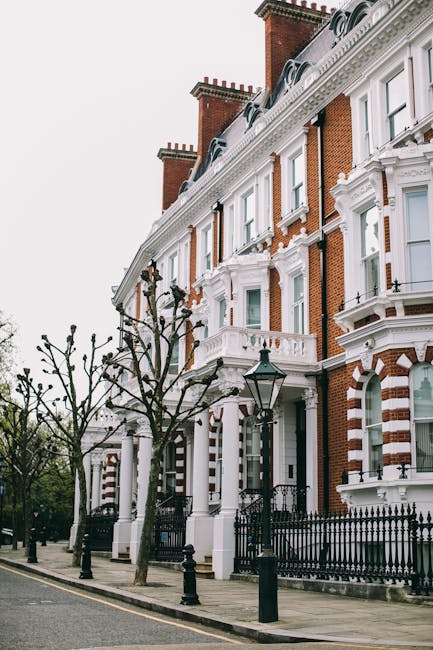
Chalk Farm removals planning for Victorian terrace properties
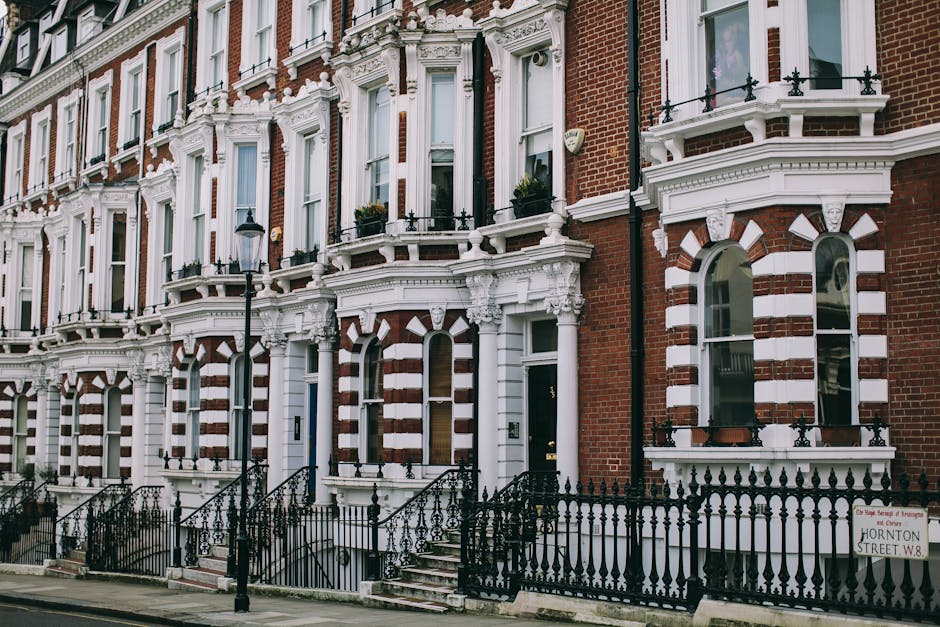
Moving out of a Victorian terrace in Chalk Farm sounds straightforward until the first box hits the hallway. Then you notice the narrow staircase, the awkward front step, the tight kerb space, the neighbour's bike chained to the railings, and the fact that the wardrobe you loved in a generous flat now has to turn three corners and a landing. That is exactly why Chalk Farm removals planning for Victorian terrace properties deserves proper thought, not a last-minute scramble.
Victorian terraces can be beautiful to live in, but they often make moving day more complicated than people expect. Access is tighter, parking can be tricky, rooms are split over multiple floors, and older layouts sometimes hide the kind of snag that only appears when a sofa is halfway out the front door. This guide walks through the practical side of planning a move in Chalk Farm, from access checks and packing strategy to compliance, timing, and the small details that save time, stress, and a few sore backs.
If you want the short version: measure early, plan for access realistically, protect the building, and choose the right removal method for the street, the stairs, and the furniture. Simple enough. Not always easy, though.
Why Chalk Farm removals planning for Victorian terrace properties Matters
Victorian terrace homes are elegant, but they were not designed around modern moving vans, flat-pack wardrobes, or today's bulky appliances. In Chalk Farm, that matters even more because local streets can be busy, parking is often limited, and many terraces sit close to pavements, railings, or resident-only bays. A move that looks simple on paper can unravel fast if the truck cannot park near the door, if the staircase is too narrow for a bed frame, or if the route out of the house was never checked in daylight.
Planning matters because the property itself shapes the move. Terrace homes often have:
- narrow hallways and turning points on stairs
- split-level rooms or basement storage spaces
- small front gardens, steps, or low walls
- older doors that are slightly tighter than modern standards
- shared streets where loading space disappears quickly
And then there is the human side. Moving is already mentally full, isn't it? Add children, work calls, a last-minute declutter, and a hallway full of boxes, and the whole thing gets noisy. Good planning takes that pressure off. It gives you a sequence: what moves first, what needs dismantling, where the van can wait, what must be wrapped, and who needs to be informed.
There is also a protection angle. Victorian properties can have painted woodwork, older plaster, tiled thresholds, and original stair rails. One careless scrape with a metal trolley and suddenly the move has become a repair job. In our experience, the smallest precautions make the biggest difference here.
Practical takeaway: for Chalk Farm terraces, removals planning is not just about boxes. It is about space, street access, timing, and protecting both the house and the furniture.
How Chalk Farm removals planning for Victorian terrace properties Works
A well-planned terrace move usually starts with a proper access review. That means looking at the property from the street to the top floor and asking basic questions: How wide is the front path? Can a van stop nearby without blocking traffic? How many flights of stairs are involved? Can the bed frame turn on the landing? Is there a side gate, rear access, or only one exit? These questions sound obvious, but they are often missed until moving day.
The next stage is deciding how the move will be carried out. Some households need a full-service removals team. Others only need a smaller vehicle, a man and van arrangement, or help with packing and unpacking. If your terrace has difficult access, the decision matters. A large vehicle may not be the best fit if the street is narrow or parking is unpredictable. On the other hand, trying to save money with an undersized setup can leave you making extra trips and losing half the day.
There is usually a sequence to the work:
- survey the property and identify access issues
- sort out parking or loading arrangements
- declutter and remove items not going to the new home
- pack rooms in a sensible order, usually top floor first
- dismantle oversized furniture where needed
- protect floors, banisters, corners, and doorframes
- load items in the right order for safe unloading later
- check every room, cupboard, loft space, and under-stair storage area before leaving
What makes Victorian terraces different is the choreography. One person carrying boxes up and down stairs without a plan can quickly become the bottleneck. A good removals approach turns the property into a route, not a maze. It sounds a bit technical, but really it is just common sense applied properly.
Sometimes the best solution is a hybrid one. For example, you might pack smaller items yourself, use professional packing for fragile pieces, and book a removals team with a vehicle sized for local streets. That flexibility is often the difference between a smooth departure and a morning full of improvisation. And let's face it, no one wants to improvise with a glass cabinet.
Key Benefits and Practical Advantages
The biggest benefit of good removals planning is reduced friction. Everything becomes easier when the route, the order of loading, and the parking approach are decided before anyone starts lifting. But there are some more specific advantages too.
- Less damage: planned moves reduce knocks on stair rails, walls, and furniture edges.
- Better timing: you spend less time waiting for a parking space, finding tools, or rewrapping items.
- Safer lifting: people are less likely to rush, overreach, or attempt awkward carries.
- Lower stress: a clear plan cuts the "where is that box?" panic that can spread through a house.
- More accurate quoting: when access is explained properly, the removals team can price and resource the job more accurately.
- Better protection for the property: older finishes, original features, and narrow stairwells are easier to preserve when the team knows what to expect.
There is a commercial side too, especially if you are comparing options. A team that understands terrace properties will usually ask better questions and flag issues earlier. That is a good sign. They are not being fussy; they are avoiding surprises.
For many people, the less visible benefit is emotional. Once the plan is sorted, the move stops living in your head all week. You can get on with the actual packing, which, admittedly, still involves a lot of tape and a mildly suspicious number of random chargers.
Who This Is For and When It Makes Sense
This kind of planning is especially useful if you live in a Victorian terrace in Chalk Farm or are moving into one. It tends to suit people who have:
- multiple floors or steep internal stairs
- large furniture that needs dismantling
- limited kerbside parking near the property
- fragile original features they want to protect
- a tight moving window, such as a completion day or tenancy handover
- young children, pets, or vulnerable household members who need the day to stay calm
It also makes sense if your home includes awkward items like a piano, a heavy wardrobe, mirrors, a large sofa, or a freezer that must be handled carefully. Those items can be moved, of course, but they need the right approach.
If you are moving from a terrace that has been extended, converted, or adapted over time, planning becomes even more important. Older London homes often have odd transitions: a modern kitchen extension, a basement room, a loft conversion, and original stairs all in one property. Charming? Absolutely. Easy to move through? Not always.
This guidance is also relevant if you are helping parents, tenants, landlords, or housemates organise a move. A clear plan cuts down on crossed wires. One person can deal with inventory, another with packing, and another with parking or access. When everyone knows their role, the day tends to flow much better.
Step-by-Step Guidance
1. Start with a street and access check
Walk the route from the front door to the street. Check for steps, narrow gates, low branches, railings, parking restrictions, and anything that might make loading awkward. If you can, do this at the same time of day the move will happen. Morning traffic in Chalk Farm can feel very different from a quiet midweek afternoon.
2. Measure the awkward things first
Do not start with box counts. Start with the awkward things: sofa depth, bed frame length, wardrobe height, fridge width, and the width of stair turns. If something needs dismantling, note it early. A tape measure and a quick sketch can save a lot of frustration later.
3. Decide what to move, sell, donate, or dispose of
Victorian terraces often accumulate storage. Under stairs. Loft cupboards. Spare room corners. The move is a good time to decide what genuinely deserves a place in the new home. If you are clearing bulky items or items that cannot be moved easily, it is worth thinking carefully before moving day. One less chair may not sound dramatic, but three less chairs and one less shelf unit can make loading noticeably easier.
4. Choose the right moving support
Not every move needs the same setup. Some homes work well with a smaller vehicle and a few hours of help. Others need a full removals team, packing support, and possibly a storage option if the dates do not line up neatly. If you want a broader sense of service types, the company's home moves and man and van pages can help you compare the general approach to domestic moving.
5. Book parking or loading arrangements early
Parking is often the quiet problem that becomes the loudest one on the day. If the van cannot pause nearby, everything slows down. In London areas like Chalk Farm, it is sensible to think about loading space, timing, and any permit-related concerns well in advance. No one enjoys circling the block while the kettle is already packed.
6. Pack in an order that matches the house
Pack rooms from top to bottom where possible, and keep heavier items low in boxes. Label each box by room and note fragile contents clearly. For terrace houses, it also helps to keep a small essentials bag separate: phone charger, toiletries, medications, keys, snacks, documents, and the kind of mug you actually like using. That mug matters more than it should, but there we are.
7. Protect the building before anything moves
Use coverings for floors, banisters, and corners if needed. Remove loose door stops, secure handles that snag, and clear the stair path of shoes, coats, and small items. A tidy route is faster and safer. It also makes the house feel calmer, which helps more than people expect.
8. Load strategically
Heavy items should be loaded in a way that keeps the vehicle stable and the unloading sequence logical. The first items on may be the last items off, so think about what needs to come out first at the destination. If the new property has another staircase, this matters even more. You do not want the kettle buried under a mattress and three toolboxes.
9. Do a final walk-through
Before the van leaves, check every cupboard, shelf, loft hatch, windowsill, under-bed space, and utility area. Older terraces have a habit of hiding items in plain sight. A final sweep avoids the annoying moment when you realise the TV remote is still on the top-floor windowsill. Which, yes, happens more often than people admit.
Expert Tips for Better Results
The best removals plans are usually the ones that feel slightly over-prepared. Not dramatic. Just thoughtful. A few small habits make a real difference in Victorian terraces.
- Label by room and priority. Mark boxes with the destination room and whether they are needed immediately.
- Keep hardware together. Put screws, brackets, and fittings from dismantled furniture in clearly labelled bags.
- Measure stair turns, not just doorways. That landing corner is often the real obstacle.
- Use smaller boxes for books and crockery. Heavy small boxes are easier on stairs than overfilled large ones.
- Prepare a "first night" bag. Include bedding, basic kitchen items, a torch, toiletries, and phone chargers.
- Protect the entry point. The front step, doorframe, and hallway corners are where most scuffs happen.
- Plan for weather. Rain turns a simple pavement load into a slippery, slower job. A dry day is lovely; a wet day is manageable if you expect it.
One small but underrated tip: keep one room as a staging area while packing. In terrace houses, this stops every room becoming a half-finished mess at once. You will feel the difference almost immediately.
If there is a tricky item you are unsure about, ask before moving day. It is far better to identify a problem early than to discover at 8:15 a.m. that the antique dresser is not turning the stairwell bend. That moment has a particular kind of silence to it.
Common Mistakes to Avoid
Most moving headaches in Chalk Farm terraces come from the same handful of mistakes. None of them are unusual, which is why they catch people out.
- Underestimating access: assuming the van can park right outside when it may not.
- Skipping measurements: guessing that furniture will fit through the route.
- Packing too late: leaving fragile or essential items until the final evening.
- Ignoring shared spaces: not thinking about neighbours, entrances, or narrow pavements.
- Overfilling boxes: especially with books, kitchenware, and tools.
- Not checking storage spaces: lofts, cellars, and under-stairs cupboards get missed all the time.
- Choosing the wrong vehicle size: too large and access becomes a problem; too small and you create extra journeys.
There is also the classic mistake of assuming every removals job works the same way. It really does not. A first-floor flat and a three-storey terrace behave differently. A house with basement storage is different again. The more specific the planning, the smoother the day tends to be.
Truth be told, the biggest mistake is often emotional: leaving the plan until the week of the move because it feels less stressful to avoid thinking about it. Fair enough in the short term. Less fair on moving day.
Tools, Resources and Recommendations
You do not need a giant toolkit to move well, but a few useful items make a Victorian terrace move much easier.
| Tool or resource | Why it helps | Best use |
|---|---|---|
| Measuring tape | Checks furniture and stair clearances | Before booking or dismantling items |
| Labels and marker pens | Keeps boxes organised | Packing by room and priority |
| Protective blankets | Reduces scuffs and knocks | Furniture, banisters, doorframes |
| Strong tape and zip bags | Keeps fittings and boxes secure | Dismantled furniture and fragile items |
| Floor coverings | Protects hallways and stairs | High-traffic loading paths |
| Inventory list | Prevents things being left behind | Final room checks and unloading |
If you want extra help with packing structure, the company's packing and unpacking services page is useful for understanding what professional support can cover. For smaller or more flexible jobs, you may also want to compare house removalists with a lighter-touch option such as man with van support.
For heavier or bulkier household items, specialised equipment matters more than people think. A heavy sofa, piano, or awkward cabinet may need a more suitable vehicle or lifting setup. If that is the kind of move you are facing, it is worth looking at the moving truck and removal truck hire options so you can match the job to the access conditions rather than forcing the other way around.
And if you are still decluttering, that is not a failure. It is good planning. Fewer items usually means fewer complications. That alone can save a surprising amount of time.
Law, Compliance, Standards, or Best Practice
Moving in London often involves practical compliance more than dramatic legal complexity. For Victorian terrace properties in Chalk Farm, the main concerns are usually parking, loading, safe lifting, and responsible handling of waste or unwanted items.
Parking and stopping rules can affect how a removal vehicle is positioned, particularly on residential streets or in permit-controlled areas. If you are using the kerbside for loading, check what applies locally well before moving day. It is also wise to make sure neighbours are not blocked in and that access for emergency vehicles would not be obstructed. That is basic good practice, and it avoids awkward conversations.
Safety standards matter too. Professional movers should use sensible manual handling methods, suitable equipment, and protective materials where needed. For the homeowner, the important part is being honest about the property's constraints. If a staircase is steep, a landing is tight, or an item is unusually heavy, say so early. Good advice depends on good information.
If you are disposing of items that are not being moved, be careful with anything that needs special handling. Some objects are bulky, some are hazardous, and some need more careful disposal than a regular household bin. If in doubt, separate them and ask for guidance before the move rather than after it. The company's guide to disposing of hazardous items in Camden is relevant if you are clearing a property and want to understand the general approach before booking a clearance or disposal plan.
Best practice is not about overcomplicating things. It is about doing the sensible parts properly: clear access, careful lifting, honest communication, and respect for the building and street. That is usually enough.
Options, Methods, or Comparison Table
Different terrace moves call for different setups. The right choice depends on access, volume, timing, and how much help you want on the day. Here is a simple comparison.
| Option | Best for | Pros | Limitations |
|---|---|---|---|
| Full removals service | Larger homes, multiple floors, fragile or bulky items | Most hands-on support, less stress, better coordination | Usually more expensive than lighter options |
| Man and van | Smaller moves, lighter loads, flexible scheduling | Good for quick local jobs, often more adaptable | May be less suitable for heavy or complex loads |
| Truck hire | People who need vehicle space and can manage more of the lifting | Flexible, useful for volume | Requires strong planning and capable loading support |
| Packing plus removals support | Busy households, fragile items, time-pressured moves | Reduces packing stress and speeds up the day | Extra cost, but often worth it |
If you are moving out of a terrace with tight stairs and limited parking, the cheapest option is not always the best value. A slightly better-fit service can save hours of delay, a few damaged corners, and the sort of tiredness that makes everyone grumpy by lunchtime. Not ideal.
Case Study or Real-World Example
Here is a realistic example. A family in a Victorian terrace near Chalk Farm needed to move from a three-storey house with a basement utility room. The staircase curved at the first landing, the front path was narrow, and the street had limited stopping space during the day. On paper, it looked like a standard local move. In practice, it needed more care.
They started by measuring the staircase and the widest pieces of furniture. A large wardrobe could not safely turn on the landing, so it was dismantled in advance. Several boxes of books were split into smaller loads, because heavy oversized boxes would have been miserable on the stairs. Parking was arranged for the closest practical loading point, and the family kept a ground-floor staging room clear so boxes could be gathered in sequence.
On moving day, the result was calm rather than chaotic. The removals team knew which pieces needed protection, which items were leaving first, and which rooms had already been cleared. The family also had a first-night box ready, which made the arrival at the new home feel much less frantic. Small thing, big difference.
What made that move successful was not luck. It was a basic understanding of the property's limits and a plan that respected them. The house still had narrow stairs. The street still had parking constraints. None of that changed. The planning simply made those conditions manageable.
Practical Checklist
Use this checklist as a final pre-move guide for a Victorian terrace move in Chalk Farm.
- Measure the largest furniture pieces and stair turns
- Check the front path, steps, and access from street to door
- Confirm parking or loading arrangements
- Sort items into keep, donate, sell, recycle, and dispose categories
- Book the right moving support for the property type
- Label all boxes by room and priority
- Pack a first-night bag with essentials
- Protect banisters, floors, and doorframes
- Dismantle oversized furniture in advance where needed
- Keep fittings and screws with the matching item
- Check lofts, cupboards, under stairs, and window ledges before leaving
- Keep keys, documents, chargers, and valuables with you
Expert summary: the best Chalk Farm terrace moves are rarely the flashiest ones. They are the well-measured, slightly overprepared, quietly efficient ones. Plan access, respect the stairs, and pack with the house in mind - and the day usually behaves itself.
Conclusion
Chalk Farm removals planning for Victorian terrace properties is really about turning a potentially awkward move into a predictable one. Once you understand the access, the layout, the parking pressure, and the furniture challenges, the whole process becomes more manageable. You do not need perfection. You just need enough structure to stop the obvious problems from becoming expensive ones.
That is the heart of it: measure, plan, protect, and keep the move realistic. Victorian terraces are full of character, and moving through them always asks for a bit more care than a modern boxy house. But with the right approach, they are completely workable. Even the awkward stair turn. Even the narrow pavement. Even that one sofa that looked modest in the shop and now seems to have opinions.
Get a free quote today and see how much you can save.
And if you are still at the planning stage, that is fine too. A good move begins long before the van arrives, and a calm moving day starts with a clear plan the night before.
Frequently Asked Questions
How far in advance should I plan a move from a Victorian terrace in Chalk Farm?
As early as you reasonably can. For a terrace with tight access or parking constraints, planning a few weeks ahead gives you time to measure furniture, assess stair access, and sort parking or loading details. If your date is fixed by a sale or tenancy, earlier is even better.
Why are Victorian terrace properties harder to move from?
They often have narrow staircases, smaller landings, older layouts, and limited street access. That means bulky items can be harder to turn, and loading can take longer if the van cannot park close by.
Do I need a full removals team or is a man and van enough?
It depends on the size of the move and the access. A man and van can suit smaller local jobs, but a full removals team is usually more helpful for multi-floor terraces, heavy furniture, or moves that need faster coordination.
What should I measure before moving day?
Measure the widest furniture items, stair width, landing turns, and the height of any awkward items like wardrobes or mirrors. It is also worth checking the front step, doorway, and any tight hallway corners.
How do I protect original features in a Victorian terrace during a move?
Use floor protection, cover banisters and doorframes where needed, and keep the moving route clear. Avoid dragging furniture, and make sure anything heavy is carried by enough people or with the right equipment.
What if parking near my Chalk Farm terrace is limited?
Plan for loading space as early as possible and keep the moving team informed about the street layout. If parking is tight, a smaller vehicle or a staggered loading plan may be more practical than trying to force a large truck into a bad spot.
Should I dismantle furniture before moving out?
Usually, yes, if it is large or awkward. Beds, wardrobes, and some tables often move more safely when dismantled. Keep all screws and fittings together in labelled bags so reassembly is less painful later.
What should I pack last?
Pack daily essentials last and keep them with you: chargers, documents, medication, toiletries, kettle items, snacks, and a change of clothes. Everything you will want on the first night should be easy to reach.
How can I make stair moving safer in a terrace house?
Clear the route completely, use smaller boxes for heavy items like books, and avoid rushing. Good lighting helps too. If the staircase is steep or narrow, professional support is often worth it.
Can I combine removals with packing or storage support?
Yes, and that often works well for terrace properties. Packing support saves time, and storage can help if your move dates do not line up neatly or if you need to clear rooms before final access is available.
What is the biggest mistake people make with terrace moves?
Assuming the house will behave like a modern property. Victorian terraces have their own quirks, and the smoothest moves are the ones that respect those quirks from the start.
How do I know if my move needs special handling?
If you have tight stairs, heavy furniture, fragile items, limited parking, or valuable original features, you probably need a more careful plan. If you are unsure, it is better to ask early and build the move around the property rather than discover problems on the day.